Introducing Semantic: one definition of your businessSemantic 上线:把业务只描述一次
Objects, links and actions in one dataset. People, applications and agents read the same definitions and change the business the same way.对象、链接和动作放在同一份数据里。人、应用和智能体读同一套定义,用同一种方式改变业务。
September 29, 2026 · 2 min read2026 年 9 月 29 日 · 阅读约 2 分钟
Today we are launching Semantic, the data and ontology layer of ADIS.
Every company already has its data. What it rarely has is one definition of it. The ERP says one thing about an order, the spreadsheet in sales says another, and the dashboard the board looks at was built from a third. AI agents make the problem worse, not better: an agent reading three versions of the truth will answer with confidence from whichever one it found first.
Semantic gives a company one place where its business is described once.
Objects, links and actions
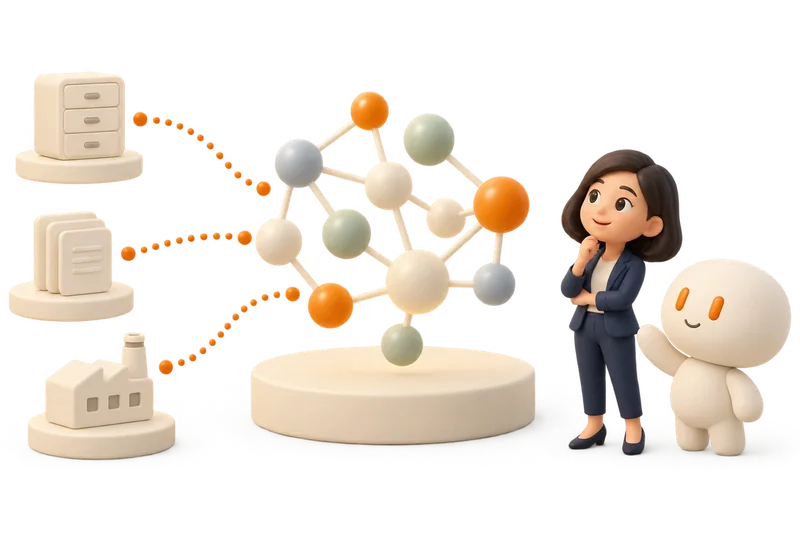
In Semantic, the things a company works with become objects: customers, suppliers, orders, machines, invoices. The relationships between them become links: this order belongs to this customer, this work order runs on this machine. And the ways the business is allowed to change become actions: approve a quote, record a payment, reassign a work order.
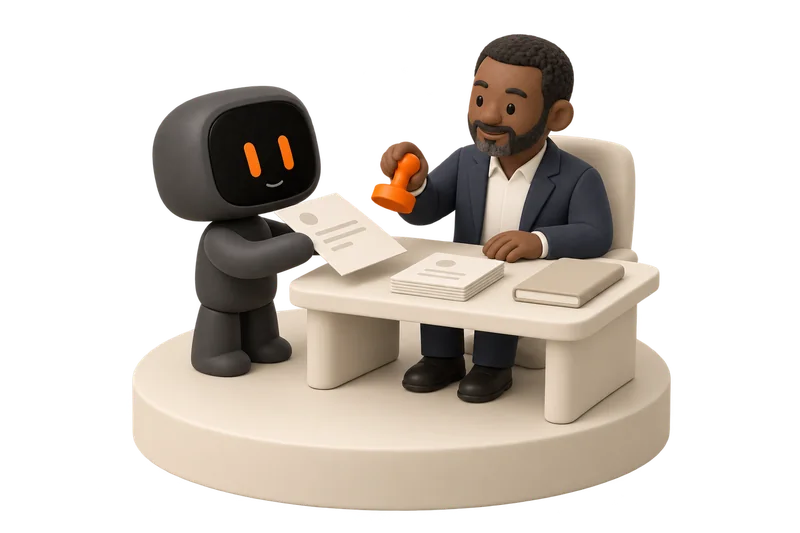
People, applications and agents all read the same objects through the same definitions, and they all change them the same way, through actions. Every action is recorded: who did it, to which records, and when.
Connected, not copied by hand
Business systems are connected rather than replaced. Records from the ERP and other systems flow into Semantic read-only, and the decisions those systems do not hold, such as a schedule change or a downtime reason, are recorded in Semantic as actions. The ERP stays the system of record for what it already does well.
Why it comes first
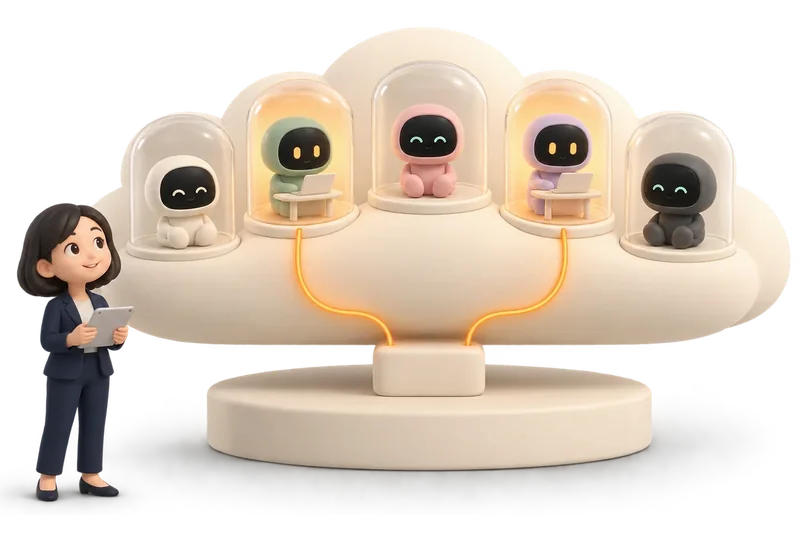
Every other part of ADIS depends on this layer. A digital employee is only as reliable as the data it reads and the actions it is allowed to take. Getting the definitions right is the least visible part of a deployment, and the part everything else rests on.
Update, October 1
Semantic now also supports applications built directly on its data, files and images stored as media alongside the same records, organisations, users and groups under the new organisation model, and a Python client that lets agents read and write Semantic through actions. See the Semantic page.
今天,Semantic 上线。它是 ADIS 的数据与本体层。
每家公司都有数据,很少有一个统一的口径。ERP 里的订单是一个说法,销售的表格里是另一个,董事会看的报表又是从第三份数据做出来的。AI 智能体不会让这个问题变好,只会让它更糟:一个能读到三个版本「事实」的智能体,会拿着先找到的那个版本,信心十足地回答。
Semantic 给公司一个地方,把业务只描述一次。
对象、链接、动作
在 Semantic 里,公司打交道的东西变成对象:客户、供应商、订单、设备、发票。它们之间的关系变成链接:这张订单属于这个客户,这张工单在这台设备上做。业务被允许的改变方式变成动作:批准报价、登记收款、改派工单。
人、应用和智能体都通过同一套定义读同一批对象,也都通过同一种方式改它们:动作。每一个动作都留痕:谁、改了哪些记录、在什么时候。
接入,而不是手抄
业务系统是接入,不是替换。ERP 和其他系统的记录只读地流进 Semantic;那些系统里没有的决定,比如一次排产调整、一条停机原因,以动作的形式记在 Semantic 里。ERP 继续做它本来就擅长的事。
为什么它排在第一个
ADIS 的其他每一部分都依赖这一层。一名数字员工有多可靠,取决于它读的数据和它被允许做的动作。把口径定对,是部署里最不显眼、也是其他一切的地基的那一部分。
10 月 1 日更新
Semantic 现在还支持:直接在它的数据上搭应用;文件和图片作为媒体与同一批记录放在一起;按新的组织模型管理组织、用户和组;以及一个 Python 客户端,让智能体通过动作读写 Semantic。详见 Semantic 页面。
AIDC · AI Deployment CompanyAIDC · AI Deployment Company